

Motor neurone disease (MND), also known as amyotrophic lateral sclerosis (ALS) or Lou Gehrig’s disease, is a progressive and debilitating neurological condition that affects the nerve cells responsible for controlling voluntary muscle movements.

As these motor neurons degenerate and die, individuals with MND experience gradual muscle weakness, paralysis, and eventually, respiratory failure, impacting their ability to walk, speak, swallow, and breathe.
Despite ongoing research efforts, there is currently no cure for MND, making early detection, symptom management, and supportive care essential in improving quality of life and prolonging survival.
This guide is designed for anyone wanting to better understand motor neurone disease. Inside, you’ll find a complete overview of MND: what it is, the signs and symptoms, how it typically progresses, and the options available for diagnosis, treatment, care, and ongoing support.
What’s in this article?
- Types of Motor Neurone Disease
- Helpful figures to know
- Early physical symptoms
- Progressing symptoms
- Cognitive and behavioural changes
- What are the main stages of MND?
- MND progression stages
- The last stages of Motor Neurone Disease
- How MND is diagnosed
- Why diagnosing MND can be challenging
- The diagnostic process
- Treatment and management options
- Medicines that may slow progression
- Symptom management
- Multidisciplinary team support
- Care, support and quality of life
- Advice for individuals and families living with MND
- Navigate MND with Aspire at your side
Is your loved one living with MND? Reach out to our friendly team at Aspire UK today. We’re here to help them live well, with the compassionate support they deserve.
Types of Motor Neurone Disease
Motor neurone disease includes several subtypes, each affecting the body in slightly different ways. While the progression and symptoms may vary, many people share similar experiences of adapting to physical changes over time and finding support that helps them stay comfortable and connected.
Amyotrophic Lateral Sclerosis (ALS)
The most common form of MND. ALS may affect both upper and lower motor neurons, leading to changes in movement, strength, and mobility. Many people notice symptoms beginning in an arm or leg before gradually spreading.
Progressive Bulbar Palsy (PBP)
PBP primarily affects the muscles involved in speech and swallowing. Individuals may first notice changes in voice, speech clarity, or eating and drinking before other symptoms develop.
Progressive Muscular Atrophy (PMA)
PMA mainly affects lower motor neurons, causing muscle weakness, cramps, or wasting. Some people with PMA may experience slower changes compared to other types.
Primary Lateral Sclerosis (PLS)
A rarer form of MND that affects upper motor neurones. PLS may cause stiffness, slower movements, and balance difficulties. It often progresses more slowly and may allow individuals to maintain independence for longer.
What MND looks like across the UK: helpful figures to know
Prevalence and incidence
- At any one time, around 5,000 adults are affected by Motor Neurone Disease (MND) in the UK.
- In the UK, six people per day are diagnosed with MND.
- There is an estimated 1 in 300 risk of developing MND across a lifetime.
- MND can affect adults of any age, but it is more likely to affect people over 50 years of age.
Onset of symptoms and experience
- The median time between the onset of symptoms and diagnosis is 07 years.
- 80% of people living with MND experience changes to speech. They may speak more quietly or slur their words; others may lose the ability.
- Around 50% of people living with MND may experience some form of cognitive change that affects their behaviour and thinking.
- 80% of people in the advanced stages of MND experience cognitive change.
Early physical symptoms
In the early stages, symptoms may appear in one part of the body before gradually spreading. Common early signs may include:
Muscle weakness
Weakness may begin in the hands, arms, legs, or feet. You or your loved one might notice:
- Difficulty gripping objects
- Changes in handwriting
- Reduced strength when climbing stairs
- Trouble lifting everyday items
Foot drop
One foot may become harder to lift when walking, causing more frequent tripping or changes in gait.
Slurred or slowed speech
Speech changes may be subtle at first, sounding slightly slurred, softer, or harder to project. As MND progresses, this may worsen and become more noticeable.
Difficulty swallowing (Dysphagia)
Some people may notice coughing during meals, a sensation of food ‘getting stuck,’ or difficulties managing liquids. These symptoms do not confirm MND on their own, but noticing them early may support a quicker referral to a specialist for assessment.
Progressing symptoms
As MND develops, early symptoms may become more noticeable. Individuals may experience:
Muscle wasting and twitching
Fasciculations (muscle twitches) and visible muscle thinning may occur as nerve signals become disrupted.
Changes in mobility
Walking may become more tiring or unsteady. Falls may become more frequent as balance and coordination change.
Breathing difficulties
Some people may experience shortness of breath during activity or when lying flat. This may be due to weakened respiratory muscles and may appear gradually.
Not everyone will experience these symptoms in the same way, and progression varies significantly. Supportive care, physiotherapy, and early planning may help individuals stay comfortable and mobile for longer.
Cognitive and behavioural changes
While MND is primarily a condition affecting movement, a proportion of people may notice cognitive or behavioural changes. These may include cognitive changes such as:
- Reduced concentration
- Challenges with planning or organising tasks
- Subtle changes in personality
These changes vary widely and may be mild, moderate, or not present at all.
What are the main stages of MND?
Motor neurone disease progresses through distinct stages, each presenting specific symptoms and challenges.
The early stage typically involves subtle changes in muscle strength and coordination, while the middle stage sees more pronounced weakness and mobility limitations. In the late stage, individuals may experience severe muscle paralysis and respiratory difficulties.
Understanding these stages is vital for tailoring care and support to meet the evolving needs of individuals with MND, ensuring optimal management and quality of life throughout the disease course.
MND progression stages
Beginning Stages of Motor Neurone Disease (MND)
Stage one of MND marks the early phase of the condition, characterised by subtle changes in muscle strength and coordination. Individuals may notice symptoms such as twitching or cramping, typically affecting one limb or a specific muscle group.
These symptoms may initially be mild and intermittent, often mistaken for normal aging or fatigue. Despite these early signs, individuals in stage one of MND can generally maintain independence in daily activities and may continue working or participating in hobbies without significant limitations.
Early intervention during this stage is crucial for maximising treatment effectiveness and slowing disease progression.
Stage Two of Motor Neurone Disease (MND)
Stage two of MND represents a progression of symptoms from the initial mild changes observed in stage one. In stage two, muscle weakness becomes more pronounced and widespread, affecting multiple limbs and muscle groups.
Individuals may experience difficulty with tasks requiring fine motor control, such as buttoning a shirt or holding utensils. Walking and balance may also be affected, leading to increased reliance on mobility aids like canes or walkers.
While individuals in stage two of MND may still retain some level of independence in daily activities, they may begin to encounter challenges with mobility and self-care tasks.
Despite these limitations, cognitive function typically remains intact, allowing individuals to actively engage in decision-making and maintain social connections.
Stage Three of Motor Neurone Disease (MND)
Stage three of MND marks a significant progression of symptoms and functional decline compared to earlier stages. In stage three, muscle weakness becomes severe and pervasive, affecting almost all muscle groups throughout the body.
Individuals may experience profound difficulty with mobility, requiring assistance with walking or transferring between positions. Fine motor skills are greatly impaired, making tasks like dressing, grooming, and eating increasingly challenging.
Speech may also be significantly affected, with individuals experiencing slurred or unintelligible speech patterns. Swallowing difficulties may arise, increasing the risk of choking or aspiration.
Despite these profound physical limitations, cognitive function typically remains intact in stage three of MND, allowing individuals to maintain awareness and participate in decision-making.
The last stages of Motor Neurone Disease
Beyond stage three of MND, individuals may progress through further stages of functional decline as the disease continues to advance. These later stages are characterised by increasingly severe muscle weakness, paralysis, and loss of functional independence.
Stage Four of Motor Neurone Disease (MND)
In this stage, individuals experience significant limitations in mobility and may require wheelchair assistance for mobility. Speech and swallowing difficulties worsen, requiring the use of assistive communication devices and modified diets to prevent aspiration.
Stage Five of Motor Neurone Disease (MND)
In the most advanced stage of MND, individuals in stage five are largely or completely immobile, with paralysis affecting most muscles of the body.
They may require full-time assistance with all activities of daily living, including personal care tasks such as bathing, dressing, and feeding. Speech may also be severely impaired or lost entirely, necessitating alternative communication methods such as eye gaze devices or communication boards.
Swallowing difficulties may develop, which can increase the risk of malnutrition, dehydration, and aspiration pneumonia.
How MND is diagnosed
Diagnosing motor neurone disease may take time, as there is currently no single test that confirms the condition. Many early symptoms can resemble other neurological or muscular conditions, which means individuals may go through several assessments before receiving a clear diagnosis.
A diagnosis is usually made by a neurologist who specialises in conditions affecting the brain and nerves. Their role is to assess symptoms over time, rule out other possible causes, and provide guidance and support throughout the process.
Why diagnosing MND can be challenging
MND may be difficult to identify in the early stages because:
- Symptoms often start gradually
- Many early signs mimic more common conditions
- There may be a variation in how symptoms appear from one person to another
This is why families may experience delays between first noticing changes and receiving a definitive diagnosis. Although this stage may feel uncertain, ongoing assessment is an important part of ensuring individuals receive the right care and support.
The diagnostic process
Medical history and neurological examination
A neurologist will usually begin by discussing symptoms, medical history, and any changes noticed by family or carers. They may also carry out a neurological examination to check muscle strength, reflexes, coordination, and speech.
Electromyography (EMG) and nerve conduction studies
An EMG measures the electrical activity of muscles and may help identify patterns of nerve involvement. Nerve conduction studies assess how well signals travel along the nerves. These tests may provide valuable information, but do not confirm MND on their own.
MRI scans
MRI imaging does not diagnose MND, but it may be used to rule out other conditions that may cause similar symptoms, such as spinal problems or structural changes in the brain.
Blood tests and genetic testing
Blood tests may help exclude other medical conditions. In some cases, particularly where there is a family history, genetic testing may be offered to look for known gene variants associated with hereditary forms of MND.
Diagnostic criteria
Neurologists may use established criteria such as the El Escorial or Gold Coast guidelines to support diagnosis. These frameworks help clinicians assess symptoms over time and ensure consistency and accuracy in the diagnostic process.
The criteria focus on:
- Progressive weakness in one or more regions of the body
- Clinical signs of upper and lower motor neuron involvement
- Evidence from tests, such as EMG
- Excluding other causes of symptoms
Treatment and management options
While there is currently no cure for motor neurone disease, a range of treatments and supportive therapies may help manage symptoms, maintain comfort, and improve day-to-day quality of life.
Care is highly individual, and the right approach may look different for each person depending on their symptoms, goals, and personal preferences.
Medicines that may slow progression
Riluzole
Riluzole is currently the only drug licensed for the treatment of MND in the UK. It may help slow disease progression slightly for some individuals by reducing the release of glutamate, a chemical thought to contribute to motor neuron damage.
Medications do not stop the condition, but they may offer modest benefits and are typically considered alongside broader supportive care.
Symptom management
Symptom management is often the cornerstone of MND care, helping individuals stay comfortable and supported in daily life.
Pain and muscle management
Some people may experience muscle stiffness, cramps, or discomfort. Physiotherapy, stretching, and prescribed medications may help ease these symptoms.
Saliva and secretion management
When changes in swallowing and saliva production occur, speech and language therapists, alongside GPs and specialists, may recommend treatments. These may include medications, posture strategies, and suction devices to help individuals feel more comfortable.
Mobility support
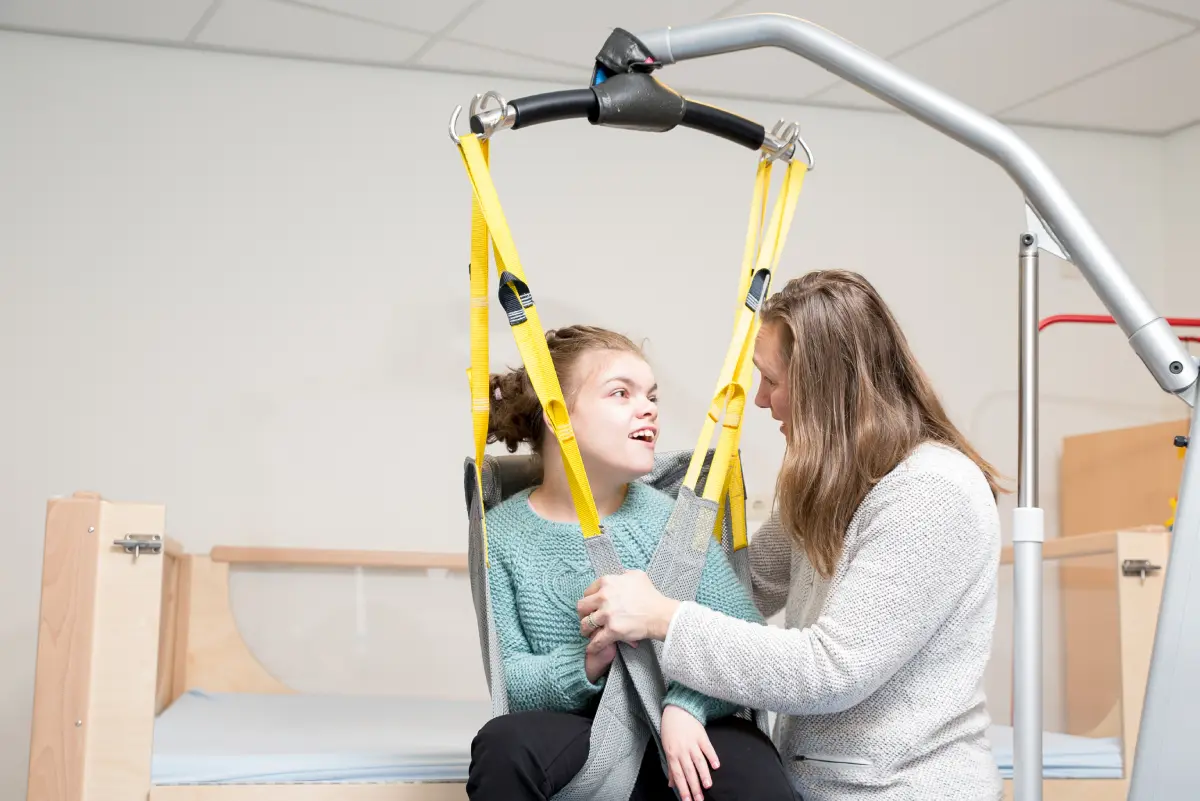
As mobility changes, assistive equipment, such as walkers, wheelchairs, hoists, or home adaptations, may help individuals remain active and safe. Occupational therapists usually guide families through these options.
Breathing support (non-invasive ventilation)
Non-invasive ventilation (NIV) may be introduced if breathing becomes more difficult. NIV provides gentle air pressure through a mask to ease breathing effort, particularly at night. It may improve comfort, sleep quality, and overall well-being.
Multidisciplinary team support
Comprehensive care often involves a coordinated team of professionals. This collaborative approach may help individuals maintain independence, comfort, and emotional well-being.
A typical MND care team in the UK may include:
- Neurologists
- Respiratory specialists
- Physiotherapists
- Occupational therapists
- Speech and language therapists
- Dietitians
- Psychologists or counsellors
- Social workers
- Home-care providers
This collaborative approach may make a meaningful difference, helping individuals feel informed, supported, and empowered throughout their journey.
Care, support and quality of life
Living with motor neurone disease may bring physical, emotional, and practical challenges, not only for the individual but also for their family and support network. The right care at the right time may make everyday life feel safer, more manageable, and more connected, even as needs change.
Aspire UK provides personalised home-based support for people living with MND across Leicester, Leicestershire, Nottingham, Northampton, Warwickshire and Coventry . Our approach centres on compassion, dignity, and independence, helping individuals remain in the comfort of their own home for as long as possible.
Personalised home care with Aspire UK
Every person’s experience with MND is unique. Aspire UK creates flexible, tailored care plans that adapt as needs evolve, offering support such as:
- Assistance with personal care
- Help with mobility and transfers
- Support with meals, hydration, and safe eating
- Maintaining daily routines and household tasks
- Emotional and practical support for families
- Companionship and supervision for reassurance and well-being
Our complex care staff receive specialist training to support people with complex neurological conditions, ensuring care is delivered safely, respectfully, and with genuine understanding.
Communication and independence support
As speech and communication change, individuals may rely on various tools or strategies to stay connected. Aspire UK care workers may support with:
- Using communication aids or devices
- Helping individuals express preferences and stay involved in decisions
- Supporting alternative communication methods such as charts, apps, or eye-gaze systems
- Working alongside speech and language therapists to reinforce recommended strategies
Maintaining independence, dignity, and personal choice is always at the centre of our care.
Nutrition, swallowing and mealtime support
Eating and drinking may become more difficult as MND progresses. Aspire UK care workers may assist with:
- Safe positioning during meals
- Preparing soft or modified diets as recommended by dietitians or speech therapists
- Supporting PEG feeding routines when required
- Monitoring for signs of discomfort, fatigue, or swallowing changes
- Encouraging hydration and nutritional intake in a safe, supportive way
Our team works closely with healthcare professionals to ensure the individual’s nutritional needs are met with respect and sensitivity.
Ventilation equipment to support breathing
As a person’s condition worsens they may need assistance in enabling them to breathe and will require equipment such as a ventilation machine to increase the flow of air and oxygen into their lungs
At Aspire UK we provide expert nurse-led airway and respiratory care for clients with MND and other complex conditions that require breathing support, including:
- Tracheostomy care
- Invasive and non-invasive ventilation
- Airway suctioning
- Cough assist
- Oxygen therapy and monitoring
Comfort, symptom support and palliative care
Throughout these later stages of MND, individuals are usually mentally alert and cognitively intact, despite the profound physical limitations.
The duration of the last stage of MND varies widely, ranging from several months to several years. Progression is unpredictable, with periods of stability interspersed with rapid decline.
Palliative care is crucial to manage symptoms and provide comfort. Aspire UK may support individuals and families by:
- Monitoring well-being and recognising changes that require clinical input
- Offering emotional support and reassurance for both the individual and their loved ones
- Providing a consistent, compassionate presence during moments of uncertainty
Advanced care and discussions about end-of-life wishes are also essential to ensure that support aligns with the individual’s preferences and values.
Overall, the progression of MND varies among individuals, and the specific experiences in the later stages depend on factors such as disease subtype, individual health status, and available support and interventions.
We work closely with palliative care teams and wider healthcare professionals to help ensure the person’s wishes are respected and their comfort remains the priority.
Supporting families and carers
MND affects the whole family. Aspire UK offers support that may ease pressure on loved ones, including:
- Respite care to give family carers time to rest
- Reliable, trained care workers who understand the complexities of MND
- Practical guidance to help families feel confident at home
- Emotional reassurance and person-centred communication
Our goal is to stand alongside families, helping them feel supported, informed, and less alone throughout the journey.

Advice for individuals and families living with MND
Living with motor neurone disease may reshape day-to-day life for both the individual and their family. Many people describe the experience as an ongoing balance of adjustment, connection, and emotional resilience.
Understanding these shifts may help families feel steadier and more supported throughout the journey. Individuals and families may find it helpful to:
- Acknowledge the emotional impact, recognising that feelings such as sadness, uncertainty, or overwhelm are completely natural
- Talk openly about expectations and preferences, allowing everyone involved to feel heard and respected
- Create meaningful moments together, focusing on activities, rituals, or routines that bring comfort or joy
- Share responsibilities within the family, so the caring role does not fall on one person alone
- Seek support early, whether through counselling, peer groups, or trusted professionals who understand the MND journey
- Stay informed without becoming overwhelmed, choosing reliable sources and taking information at a pace that feels manageable
- Prepare gently for future changes, using calm, honest conversations to understand what matters most to the individual
- Protect carer wellbeing, encouraging rest, respite, and emotional space for family members who may be navigating their own challenges
This kind of support may help individuals feel more in control and connected, while also ensuring that families feel confident, informed, and cared for along the way.
Navigate MND with Aspire at your side
While MND affects each person differently, no one has to face it alone. With the right information, a supportive care team, and access to practical and emotional resources, individuals may continue to live with dignity, comfort, and connection throughout each stage of the condition.
If you or a loved one is living with MND and would like to explore how specialist home care may help, Aspire UK is here to support you. Our compassionate team is ready to listen, understand your needs, and walk alongside you every step of the way.
As an MND care provider, we have the expertise to help manage symptoms, promote independence and offer guidance on advanced care planning. Click below to learn more about how Aspire UK can help you with your MND care needs.