
A guide to balancing professional care help and family carer support

Share this post

Download our Brochure

Speak to a
Care Expert

Call now and ask to speak to Patricia Branson or Kerry Morgan so they can answer all your care-related questions.

When a loved one needs ongoing care, it’s often family members who step in first. Whether it’s helping with daily routines, managing appointments, or simply being there for emotional support, family carers play a vital role.
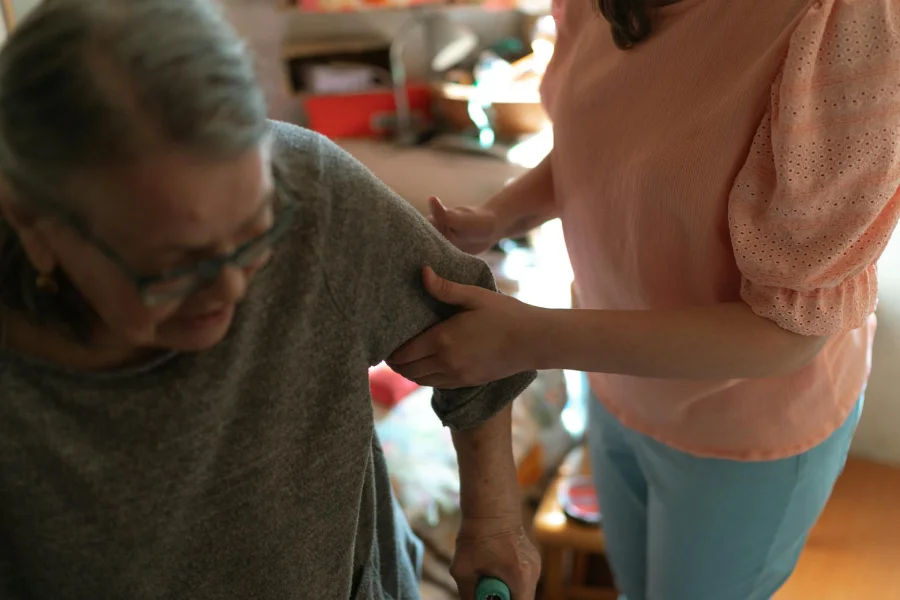
However, as care needs increase, many families reach a point where they need additional help. This is where professional care can make a meaningful difference; not by replacing family involvement, but by supporting it.

Finding the right balance between professional care and family carer support can help ensure your loved one receives the best possible care, while also protecting the wellbeing of those around them.

Not sure which type of care best meets the needs of your loved one? Get in touch with the dedicated team at Aspire UK today.

Understanding the role of family carers

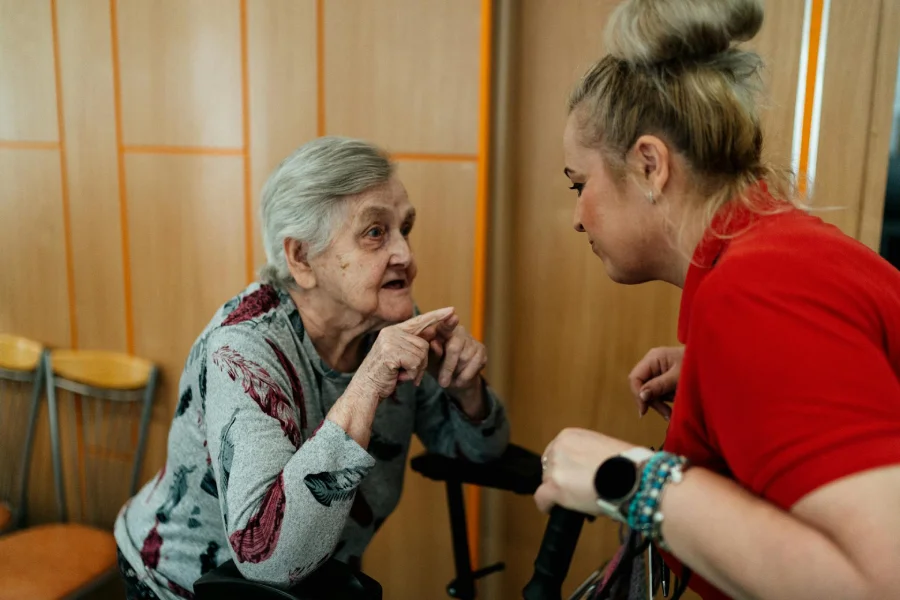
Family carers are often at the heart of care at home. As well as providing practical assistance, they also offer emotional connection, continuity, and a deep understanding of their loved one’s needs.

This might include:

  • Supporting with personal care and daily routines
  • Managing medication or appointments
  • Providing companionship and reassurance
  • Helping maintain routines and independence

While this level of involvement can be rewarding, it can also be physically and emotionally demanding, especially over time.

When to consider professional care support

It’s not always easy to recognise when additional help is needed. Many carers feel a sense of responsibility to manage everything themselves, but this can lead to stress, fatigue, and burnout.

Professional support may be worth considering if:

  • Care needs are becoming more complex
  • You are feeling physically or emotionally overwhelmed
  • It is becoming difficult to balance care with work or family life
  • Your loved one requires more specialised or clinical support
  • You are concerned about safety or consistency of care

Introducing professional care does not mean stepping back completely; it simply means sharing the responsibility in a way that benefits everyone.

The benefits of combining family and professional care

A blended approach to care often provides the best outcomes. By combining the consistency and emotional support of family carers with the expertise of trained professionals, individuals can receive well-rounded, high-quality care at home.

Some key benefits include:

Better continuity of care

Professional care workers help ensure routines are followed consistently, even when family members need time away.

Access to specialist skills

Trained care workers can support more complex needs, including mobility support, medication management, and condition-specific care.

Reduced pressure on family carers

Sharing responsibilities can help prevent burnout and allow family members to focus on their relationship, rather than just caregiving tasks.

Greater flexibility

Care plans can be adjusted as needs change, ensuring the right level of support at the right time.

Finding the right balance

Every family is different, and there is no single “correct” way to divide responsibilities. The right balance will depend on factors like availability, confidence, and the complexity of care required.

Some families prefer to remain heavily involved in day-to-day care, while others rely more on professional support.

A helpful starting point is to identify:

  • Which tasks family members feel comfortable managing
  • Which areas would benefit from professional input
  • How much time and energy can realistically be sustained

This allows care to be shared in a way that feels manageable and sustainable.

Creating a clear and consistent plan

Once roles are established, having a clear care plan is essential. This helps ensure everyone involved understands:

  • Daily routines and preferences
  • Medical needs and support requirements
  • Emergency procedures
  • Communication methods

A shared care plan can reduce confusion, improve consistency, and provide reassurance for both family members and professional care workers. Regular reviews can also help adapt the plan as needs evolve.

Communication is key

Open and ongoing communication is one of the most important factors in successfully balancing care.

This includes communication between:

  • Family members
  • Professional care workers
  • Healthcare providers

Clear communication helps to:

  • Prevent misunderstandings
  • Ensure changes in condition are recognised early
  • Maintain a consistent approach to care
  • Build trust between everyone involved

Simple tools such as care logs, shared notes, or regular check-ins can make a big difference.

Supporting the wellbeing of family carers

Caring for a loved one can be deeply meaningful, but it can also take a toll on physical and emotional health. It’s important that family carers feel supported, not stretched beyond their limits.

This may involve:

  • Taking regular breaks or respite care
  • Setting realistic boundaries
  • Seeking emotional support or counselling
  • Staying connected to social networks and personal interests

Professional care can play a key role here, giving family carers the space they need to rest and recharge.

Adapting as needs change

Care needs are rarely static. Over time, individuals may require more support, different types of care, or changes to their routine. A flexible approach allows families to adjust the balance between professional and family care as needed.

For example:

  • Increasing professional support during periods of illness
  • Reducing support as independence improves
  • Introducing specialist care for specific conditions

Being open to change helps ensure care remains effective and appropriate over time.

Understanding the role of professional care at home

Professional care workers can provide a wide range of support, from occasional visits to full-time live-in care.

This may include:

  • Personal care and daily living support
  • Assistance with mobility and transfers
  • Medication management
  • Companionship and emotional support
  • Specialist care for complex conditions

Importantly, professional care workers work alongside families, not in place of them, helping to create a collaborative and supportive care environment.

Building a care approach that works for everyone

Balancing professional care and family support is about finding a sustainable approach that works for everyone involved. By sharing responsibilities, maintaining open communication, and adapting to changing needs, families can create a supportive care environment that benefits both their loved one and themselves.

With the right combination of professional expertise and family involvement, it is possible to deliver compassionate, consistent care while preserving relationships, wellbeing, and quality of life.

Other Blog Articles

Scroll to Top

Care at Home Brochure

Enter your details below to download our brochure and read more about how we can support you and your loved ones to remain safe, happy and well cared for in the comfort of their own home.