
Staying social and active with a chronic illness

Share this post

Download our Brochure

Speak to a
Care Expert

Call now and ask to speak to Patricia Branson or Kerry Morgan so they can answer all your care-related questions.

Living with a chronic illness can affect many areas of daily life, from physical health and energy levels to emotional wellbeing and social connections. Activities that once felt simple may now require more planning, and it can become easy to withdraw from social situations altogether.

However, staying socially connected and maintaining a level of activity is not only possible for many people with long-term conditions, but it’s also an important part of overall health and quality of life.

With the right support, small adjustments, and a flexible approach, individuals can continue to engage with the world around them in ways that feel manageable, meaningful, and enjoyable.

To learn more about how the team at Aspire UK encourages and facilitates our clients to remain social, get in touch today.

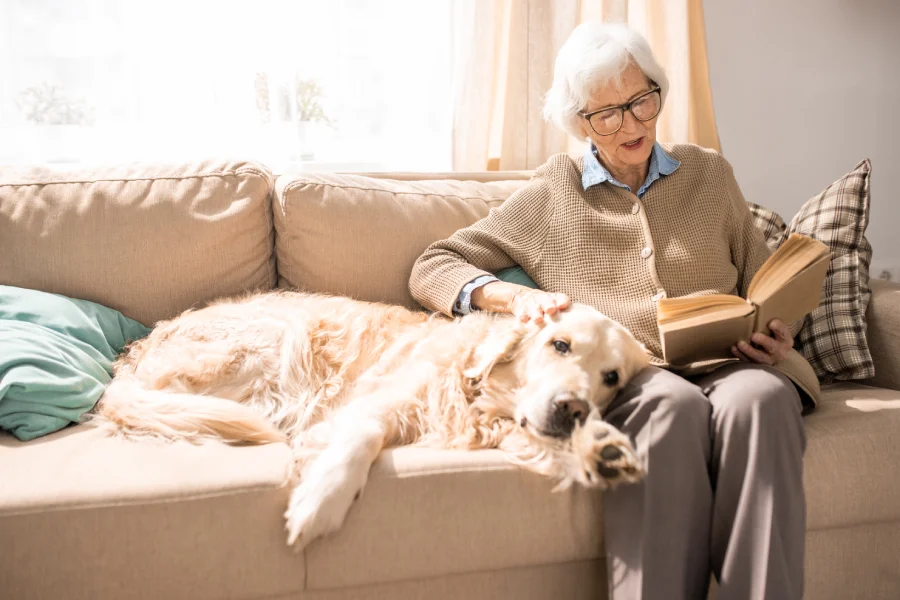
Why staying social and active matters

When managing a chronic illness, it is natural to prioritise physical health. But social connection and activity play a vital role in both mental and physical wellbeing.

Regular social interaction can help to:

  • Reduce feelings of isolation and loneliness
  • Support emotional resilience
  • Improve mood and confidence
  • Maintain a sense of identity beyond illness

Similarly, staying active (even at a gentle or adapted level) can help with mobility, energy levels, and overall health.

Remaining engaged in life, in whatever way is possible, helps create a sense of purpose and normality.

Redefining what ‘active’ looks like

Activity does not have to mean intense exercise or a busy schedule. For many people living with a chronic illness, being active is about finding a level that feels sustainable.

This might include:

  • Short walks or gentle movement exercises
  • Light stretching or chair-based activities
  • Participating in hobbies (like gardening, art, or music)
  • Engaging in everyday tasks at a comfortable pace

The focus should be on consistency rather than intensity. Small, regular activities can have a meaningful impact over time. Listening to the body and allowing for rest when needed is an important part of this balance.

Adapting social activities to suit changing needs

Socialising may look different when living with a chronic condition, but that does not mean it has to stop.

Simple adjustments can make social activities more accessible and enjoyable for everyone involved. This may include:

  • Choosing quieter venues or smaller gatherings
  • Scheduling activities during times of higher energy
  • Planning shorter visits or outings
  • Having a clear exit plan if fatigue or symptoms increase
  • Communicating needs openly with friends and family

Flexibility is key. By adapting how and when social interactions take place, individuals can stay connected without becoming overwhelmed.

Exploring new ways to connect

When physical limitations or health concerns make traditional socialising more difficult, alternative options can help maintain connection.

These might include:

  • Video calls or online communities
  • Support groups for people with similar conditions
  • Virtual classes or hobby groups
  • Phone catch-ups with friends and family

Digital connection can be a valuable tool, particularly on days when leaving the house is not possible. For many people, a mix of in-person and remote interaction offers the best balance.

Managing energy and avoiding burnout

Fatigue is a common challenge for people living with chronic illness. Trying to maintain social activity without considering energy levels can sometimes lead to setbacks.

Pacing is an important strategy. This involves:

  • Planning activities in advance
  • Spacing out social commitments
  • Prioritising the most meaningful interactions
  • Allowing time to rest and recover

It can also help to build routines that include both activity and rest, rather than viewing rest as a last resort.

By managing energy more effectively, individuals can remain social and active in a sustainable way.

Overcoming emotional barriers

Chronic illness may bring emotional challenges that make socialising feel more difficult.

These may include:

  • Anxiety about symptoms in public
  • Loss of confidence
  • Changes in appearance or ability
  • Fear of being misunderstood

Addressing these barriers is an important part of maintaining connection.

Supportive strategies may include:

  • Starting with familiar, low-pressure environments
  • Spending time with understanding and supportive people
  • Seeking professional support if anxiety or low mood becomes overwhelming
  • Building confidence gradually over time

It is important to recognise that these feelings are common and valid, and that support is available.

The role of routine in staying engaged

Establishing a gentle routine can make it easier to stay socially and physically active.

Having regular touchpoints in the week (like a scheduled call, a regular walk, or a planned activity) can provide structure and something to look forward to.

A routine does not need to be rigid. Instead, it should be flexible enough to accommodate changing health needs while still encouraging ongoing engagement.

How support at home can help

For some individuals, practical challenges can make it harder to stay active and social. This might include difficulties with mobility, personal care, or managing daily tasks. Having the right support at home can remove some of these barriers and create more opportunities for engagement.

Professional care can assist with:

  • Preparing for outings or social visits
  • Supporting mobility and confidence outside the home
  • Assisting with daily routines to conserve energy
  • Providing companionship and meaningful interaction

This type of support can help individuals maintain independence while continuing to participate in the activities that matter most to them.

Stay connected in a way that works for you

Living with a chronic illness often means adapting to change, but it doesn’t mean giving up the things that bring connection and enjoyment. By taking a flexible, personalised approach, it is possible to maintain social relationships and stay active in ways that feel realistic and sustainable.

Whether it is a short walk, a phone call with a friend, or a carefully planned outing, every step towards connection matters.

With the right balance of support, understanding, and self-awareness, individuals can continue to lead fulfilling, connected lives at home and beyond.

Other Blog Articles

Scroll to Top

Care at Home Brochure

Enter your details below to download our brochure and read more about how we can support you and your loved ones to remain safe, happy and well cared for in the comfort of their own home.