
A brain injury can change almost every aspect of a person’s life, from how they move and communicate to how they think, feel, and interact with others. For families and carers, it can be difficult to know how best to support recovery while encouraging independence.
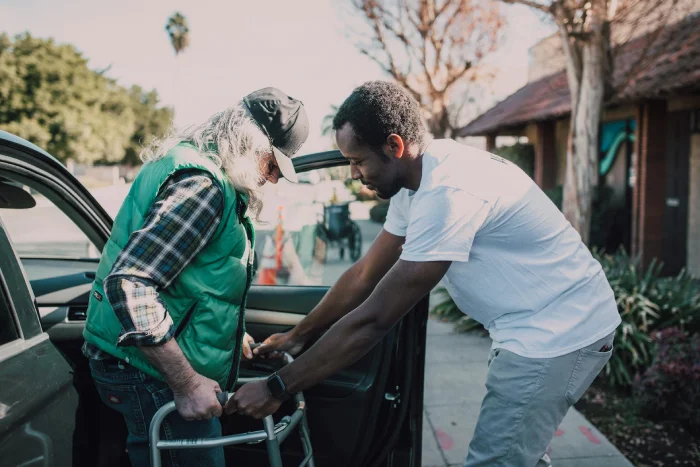
The journey is rarely linear. Progress may be gradual, and what independence looks like will differ from person to person. However, with the right approach, environment, and support, many people living with a brain injury can rebuild skills, confidence, and a sense of control over their daily lives.
Understanding how to support this process is key to delivering effective, compassionate care at home.
Have you or a loved one experienced a brain injury that requires some extra support? Contact our team at Aspire UK today.

What does independence mean after a brain injury?
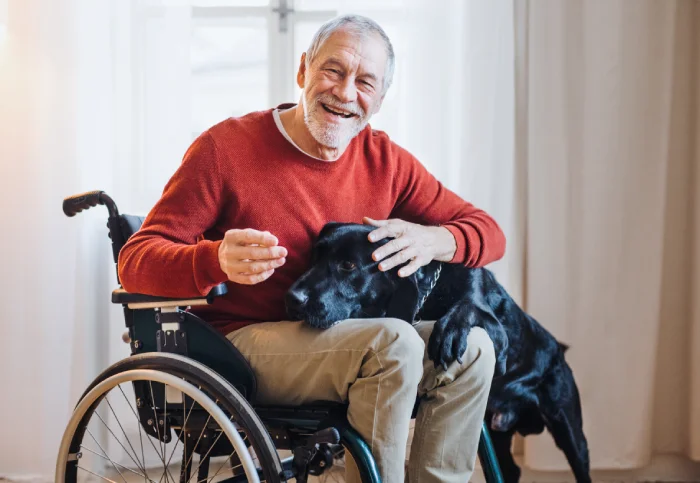
Independence does not always mean returning to life exactly as it was before the injury. Instead, it often means helping someone achieve the highest level of autonomy possible within their current abilities.
For some, this may involve regaining physical skills such as walking or dressing independently. For others, it may focus on cognitive tasks like decision-making, memory, or communication.
Supporting independence after a brain injury is about:
- Encouraging choice and control
- Building confidence in everyday tasks
- Promoting participation in daily life
- Reducing reliance on others where safe and appropriate
This approach not only improves quality of life but also plays an important role in long-term recovery.
Start with a personalised rehabilitation approach
No two brain injuries are the same, which is why a personalised approach is essential.
Rehabilitation plans should reflect the individual’s:
- Type and severity of brain injury
- Physical, cognitive, and emotional needs
- Personal goals and preferences
- Previous lifestyle and routines
Working alongside healthcare professionals (like occupational therapists, physiotherapists, and speech and language therapists) can help ensure care is structured, consistent, and aligned with recovery goals.
At home, these plans can be translated into daily routines that reinforce therapy and support gradual progress.
Build independence through small, achievable steps
Regaining independence can feel overwhelming if expectations are too high, too soon. Breaking tasks into smaller, manageable steps allows individuals to experience success more regularly, which can build motivation and confidence.
For example:
- Instead of completing a full morning routine independently, focus first on one task (like brushing teeth)
- Gradually reintroduce cooking by starting with simple preparation tasks
- Encourage participation in dressing, even if assistance is still needed
Consistency is key. Repeating familiar tasks helps reinforce learning and supports cognitive recovery.
Create a supportive and accessible environment
The home environment plays a significant role in promoting independence. Simple adjustments can make everyday tasks safer and easier to manage.
These might include:
- Removing trip hazards and improving lighting
- Installing grab rails or mobility aids
- Organising frequently used items within easy reach
- Using labels, reminders, or visual cues to support memory
Creating a calm, structured environment can also reduce confusion and frustration, particularly for individuals experiencing cognitive or sensory challenges.
Support cognitive recovery
Cognitive changes are common after a brain injury and can affect memory, attention, problem-solving, and communication.
Supporting cognitive recovery at home may involve:
- Using written reminders, calendars, or digital prompts
- Establishing consistent daily routines
- Allowing extra time to process information
- Minimising distractions during tasks
- Encouraging participation in activities that stimulate thinking
Patience is essential. Tasks that once felt simple may now require significant effort, and progress may vary from day to day.
Encourage communication and social connection
A brain injury can impact how a person communicates, which in turn can affect relationships and confidence. Encouraging communication (in whatever form works best) is an important part of rebuilding independence.
This might include:
- Using simple, clear language
- Allowing time for responses
- Supporting alternative communication methods if needed
- Encouraging social interaction with friends and family
Maintaining social connections helps reduce isolation and supports emotional wellbeing, both of which are vital for recovery.
Balance support with independence
One of the biggest challenges for carers is knowing when to step in and when to step back. Providing too much assistance can limit opportunities for independence, while too little support may lead to frustration or risk.
A balanced approach involves:
- Offering guidance rather than taking over
- Allowing safe opportunities for trial and error
- Encouraging decision-making
- Celebrating progress, no matter how small
This approach helps individuals rebuild confidence and develop a sense of ownership over their progress.
Recognise the emotional impact
The emotional effects of a brain injury can be just as significant as the physical ones.
Individuals may experience frustration, anger, anxiety and/or depression, loss of identity or confidence, and changes in behaviour or personality. Supporting emotional wellbeing is a key part of helping someone regain independence.
This may involve:
- Providing reassurance and encouragement
- Maintaining routines and familiar activities
- Accessing professional psychological support if needed
- Supporting family members and carers as they adjust
Recovery is not just about regaining skills, it’s about rebuilding a sense of self.
The role of professional care
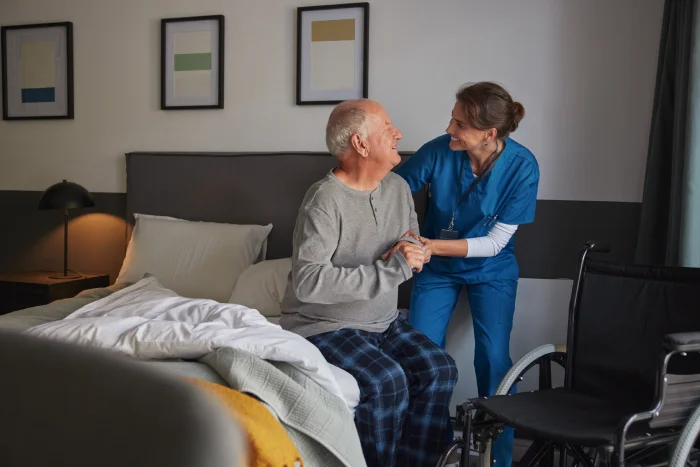
For many families, supporting someone with a brain injury at home can feel overwhelming, particularly when care needs are complex. Professional carers with experience in neurological conditions can provide valuable support, including:
- Assistance with daily living activities
- Support with rehabilitation routines
- Monitoring changes in condition
- Providing respite for family carers
- Helping maintain a safe and structured environment
This type of support can make a significant difference, allowing individuals to continue their recovery in familiar surroundings while reducing pressure on loved ones.
Support that helps rebuild independence
Regaining independence after a brain injury is a gradual and deeply personal process. With the right combination of patience, structure, and support, individuals can rebuild skills, confidence, and a sense of control over their daily lives.
If you are supporting someone with a brain injury and need additional help, specialist home care can provide the expertise and reassurance needed to navigate this journey with confidence.
At Aspire UK, we provide tailored, person-centred care for individuals living with brain injuries, supporting independence, dignity, and quality of life at home.