
Hospital Discharge to Reablement Care: What Happens After You Get Home?

Share this post

Download our Brochure

Speak to a
Care Expert

Call now and ask to speak to Patricia Branson or Kerry Morgan so they can answer all your care-related questions.

Getting a loved one home from the hospital can feel like a relief, until the front door closes and the questions begin.

Elderly woman and young caregiver embracing warmly in sunlit living room with kitchen background.

Families often worry about what care after hospital discharge looks like and what support is available. Simple tasks may suddenly feel overwhelming, such as moving around the house or managing daily routines.

This article explains what typically happens after discharge and the transition to reablement care; how reablement care supports recovery at home; and how the right support can help make this period feel calmer, safer, and more manageable.

Is your loved one leaving the hospital soon? With over twenty five years of experience and trusted local support, Aspire UK is here to help. Reach out today to discuss the right care for your loved one.

Elderly woman and young caregiver embracing warmly in sunlit living room with kitchen background.

What is Reablement Care, and why is it Offered After Hospital Discharge?

Reablement care is short-term support that helps people regain confidence and independence after leaving the hospital. Instead of doing tasks for your loved one, care workers focus on supporting them to safely rebuild everyday skills.

Even a short hospital stay may affect strength, balance, or confidence. Support is offered at this stage to help bridge the gap between hospital and home, giving people time and support to recover in familiar surroundings.

A UK report found that 60.7% of people discharged from the hospital into reablement care remained in the community for 12 weeks.

Further evaluations have also indicated that reablement may reduce ongoing care needs. In one study, the number of care hours required by people receiving reablement decreased by around 41%.

These findings suggest that reablement care plays an important role in supporting recovery at home.

What Usually Happens in the First few Days at Home

The first few days after leaving the hospital are about settling in, feeling safe, and starting recovery at a pace that feels right for your loved one.

Getting to Know Your Loved one

One of the first steps is a supportive session where care workers connect with your loved one, learn what they’re finding easy or difficult, and identify what they’d like to work towards as they recover.

Rather than rushing in, this early support often forms part of a wider hospital discharge care plan, helping ensure a safe recovery once a loved one returns home.

Practical Support in the Early Days

Support during this stage is usually centred on essential daily activities. This may include help with safe movement, personal care, and re-establishing routines, while offering encouragement to do as much as feels comfortable.

Nurse gently holding hand of elderly man resting in hospital bed with IV and monitor.

How Reablement Care Supports Recovery day to day

Day-to-day reablement care focuses on how recovery progresses over time. The emphasis is on noticing small changes, responding to challenges as they arise, and supporting recovery in a practical, manageable way.

Encouraging Consistency and Routine

As hospital routines fade, reablement care helps restore structure to the day. Consistent, gentle routines around daily activities may support energy levels, confidence, and a sense of normalcy as recovery continues.

Monitoring Changes and Responding Early

Regular contact allows care workers to notice changes in how a loved one is coping, whether physically or emotionally. This makes it easier to adjust support early if something feels more difficult, helping prevent small issues from becoming larger setbacks.

Supporting Progress at a Safe Pace

Recovery rarely happens all at once. Reablement care supports steady progress by recognising improvements as they happen and allowing time for rest when needed. This balanced approach helps recovery feel achievable without unnecessary pressure.

Preparing for the Next Stage of Support

As recovery develops, reablement care also helps build a clearer picture of what ongoing support, if any, may be helpful. This ensures decisions about next steps are informed by real progress at home rather than assumptions made earlier.

Reablement Care, at a Pace That Feels Right

Reablement care is intended to be short-term, with the duration of support guided by recovery progress rather than a fixed timeframe. For many people, this period may only last a few weeks.

Progress is reviewed as recovery continues, and support may be reduced as independence returns. This flexible approach helps ensure care remains focused on recovery, adapting to individual needs rather than following a set schedule.

What if Recovery Takes Longer?

Recovery doesn’t always follow a set timeline, and it’s not unusual for progress to take longer than first anticipated. If a loved one is still building strength or confidence, reablement care may be reviewed to ensure the right level of support remains in place.

In some cases, this may lead to adjustments in how support is provided or discussions about what ongoing help might be beneficial.

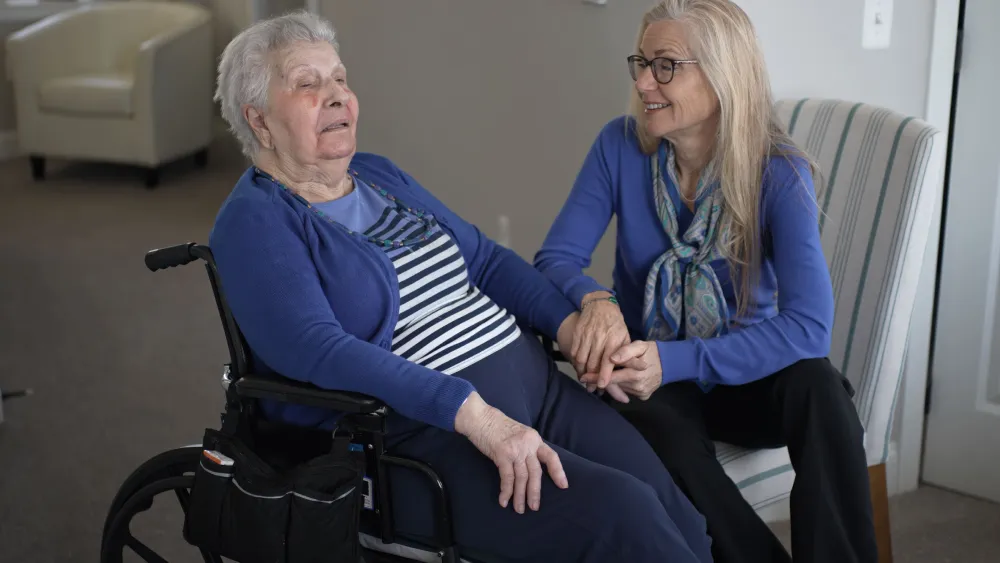
Caregiver holding hand of elderly woman in wheelchair beside striped chair in lounge area.

When Reablement Care may not be the Right fit

While reablement care can be helpful for many people after leaving the hospital, it may not be suitable in every situation. Recovery needs can vary, and some individuals may require a different type or level of support from the outset.

This type of care may not be the best fit when:

  • Needs are complex or require ongoing, long-term support
  • A medical condition significantly limits day-to-day independence
  • Recovery is unlikely to improve with short-term, goal-focused care

In these situations, alternative support options may be explored to ensure a loved one receives appropriate, safe care aligned with their long-term needs.

At Aspire UK, a range of support services is available to help your loved ones find the right fit, from ongoing home care to more complex support, such as dementia care and other long-term needs.

Moving Forward With Confidence at Home

Returning home after a hospital stay is an important step, and having the right care at home after discharge from hospital can make the transition feel calmer and more manageable.

At Aspire UK, reablement support is tailored to meet those changing needs. With a focus on dignity, independence, and personalised care, our experienced team helps families find the right level of support at the right time.

If you’d like to discuss options or explore the right support, we’re always happy to help.

Other Blog Articles

Scroll to Top

Care at Home Brochure

Enter your details below to download our brochure and read more about how we can support you and your loved ones to remain safe, happy and well cared for in the comfort of their own home.