
Building a tracheostomy care routine that works

Share this post

Download our Brochure

Speak to a
Care Expert

Call now and ask to speak to Patricia Branson or Kerry Morgan so they can answer all your care-related questions.

A tracheostomy can be life-changing for both the person receiving care and their loved ones. While it can support breathing, improve comfort, and enable greater independence, it also introduces new routines and responsibilities into daily life.

Managing tracheostomy care at home can feel overwhelming at first. There are equipment checks, cleaning procedures, monitoring for signs of infection, and emergency preparedness to think about; all while trying to maintain a sense of normality.

The good news is that with the right support, education, and a structured routine, tracheostomy home care can become a manageable and confident part of everyday life.

If you or a loved one has had a tracheostomy, the team at Aspire UK is well-placed to offer support. Contact us today for more information.

Why a routine matters in tracheostomy care

Consistency is essential when it comes to tracheostomy care. A clear daily routine helps to:

  • Reduce the risk of infection
  • Keep the airway clear and functioning properly
  • Ensure equipment is clean and ready for use
  • Identify issues early before they become urgent
  • Build confidence for both the individual and carers

A routine also helps create predictability, which can reduce anxiety for everyone involved.

No two people will have the same needs, but a well-planned approach to tracheostomy care at home should balance clinical safety with comfort, lifestyle, and independence.

Start with a personalised care plan

Before establishing a routine, it’s important to have a care plan tailored to the individual’s needs.

This should include:

  • Type and size of tracheostomy tube
  • Frequency of tube changes
  • Suctioning requirements
  • Humidification needs
  • Medication schedule
  • Emergency procedures
  • Contact details for healthcare professionals

A personalised care plan ensures everyone involved in providing tracheostomy care understands exactly what is required.

If multiple family members or support workers are involved, keeping this information in an accessible folder or digital file can improve continuity and reduce confusion.

Establish daily tracheostomy care tasks

Breaking care into manageable daily tasks can make routines easier to follow.

Morning routine

Starting the day with key checks can help identify any immediate concerns.

Morning tracheostomy care may include:

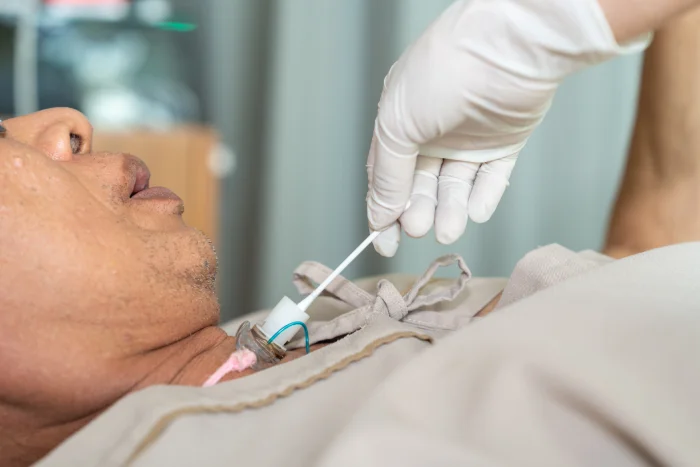
  • Inspecting the stoma site for redness, swelling, discharge, or irritation
  • Checking ties or securing devices are positioned correctly
  • Cleaning around the stoma as recommended by clinicians
  • Replacing dressings (if needed)
  • Checking the suction equipment is working properly
  • Confirming spare equipment is available

This is also a good time to check the individual’s breathing, comfort, and general wellbeing.

Throughout the day

Daily monitoring is an important part of safe tracheostomy care at home.

Ongoing care may involve:

  • Suctioning (as required)
  • Monitoring secretions for changes in colour, thickness, or volume
  • Providing humidification where needed
  • Encouraging hydration where appropriate
  • Supporting communication methods if speech is affected

The frequency of these tasks will depend on the person’s condition, mobility, and medical needs.

Some individuals require minimal support, while others may need more complex clinical input as part of their tracheostomy home care.

Evening routine

A consistent evening routine can help prepare for a safe and comfortable night.

Evening care may include:

  • Final stoma cleaning and skin checks
  • Equipment checks and cleaning
  • Restocking emergency supplies
  • Preparing overnight suction or humidification equipment
  • Reviewing any concerns from the day

This routine can help reduce overnight disruptions and ensure everything is ready if needed.

Keep equipment organised

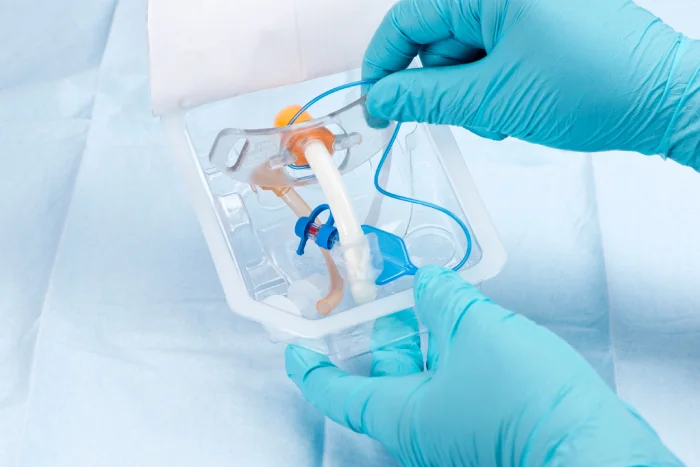
One of the most effective ways to simplify tracheostomy care at home is to create an organised care station.

This might include:

  • Suction catheters
  • Sterile water or saline
  • Cleaning supplies
  • Spare tracheostomy tubes
  • Dressings
  • Gloves
  • Emergency equipment

Keeping everything in one designated area saves time and reduces stress, especially in urgent situations.

Many families also create portable kits for outings or appointments, helping maintain safe tracheostomy home care away from home.

Prepare for emergencies

Part of building a routine that works is being prepared for the unexpected.

Emergency readiness should include:

  • Knowing what to do if the tube becomes blocked or dislodged
  • Having emergency contact numbers readily available
  • Keeping spare tubes and essential equipment nearby
  • Ensuring all carers are trained in emergency procedures

Even experienced carers can feel anxious about emergencies, which is why regular refreshers and clear processes are so important.

A strong emergency plan can make tracheostomy care feel far less intimidating.

Involve the individual where possible

Maintaining independence is an important goal for many people receiving home care for tracheostomy.

Where appropriate, individuals should be encouraged to participate in their care.

This may include:

  • Learning parts of their cleaning routine
  • Managing certain equipment checks
  • Communicating preferences and symptoms
  • Participating in decision-making about their care

Supporting autonomy can improve confidence, dignity, and quality of life.

Don’t overlook emotional wellbeing

While practical care is essential, emotional adjustment is equally important.

A tracheostomy can affect communication, body image, confidence, and social interaction. It may also create stress for family members adapting to new responsibilities.

Building emotional support into a routine can make a meaningful difference.

This may involve:

  • Scheduling regular rest for carers
  • Accessing counselling or peer support
  • Maintaining hobbies and social activities
  • Creating opportunities for routine and normality beyond medical care

Effective tracheostomy care at home is about supporting the whole person, not just the clinical task list.

Professional support can make all the difference

Families managing tracheostomy care do not need to do everything alone.

Professional carers trained in complex airway and respiratory support can provide reassurance, expertise, and practical assistance.

This may include:

  • Daily clinical support
  • Overnight care
  • Respite for family carers
  • Support with more complex care routines

Having experienced support in place can reduce pressure and improve outcomes, while helping individuals remain safe and comfortable in familiar surroundings.

At Aspire UK, we provide compassionate, person-centred tracheostomy home care tailored to each individual’s needs, helping people live as independently as possible while receiving the support they need.

Need help managing tracheostomy care?

Building a routine for tracheostomy care at home takes time, patience, and flexibility.

What feels unfamiliar in the beginning can become second nature with the right systems, support, and training.

A structured routine improves safety, reduces stress, and helps individuals and families feel more confident navigating life with a tracheostomy.

With personalised care and the right support network, tracheostomy home care can become a sustainable part of daily life, empowering people to live well at home.

Other Blog Articles

Scroll to Top

Care at Home Brochure

Enter your details below to download our brochure and read more about how we can support you and your loved ones to remain safe, happy and well cared for in the comfort of their own home.

Brochure of Aspire UK - care at home services