

If you’re exploring home care options, you may come across a lot of terms. You might gloss over it at first, but you may find yourself wondering: what is domiciliary care?

Domiciliary care, also commonly known as help at home care or care at home, is a vital form of support that enables individuals to receive personalised care and assistance in the comfort of their own homes.
These services are designed to meet the specific needs of people who need help with daily living tasks, medical management, companionship, and overall well-being at home.
In this article, we’ll detail the exact domiciliary care definition, how it supports your loved one, what care workers can do and more.
Table of Contents
Key points
|
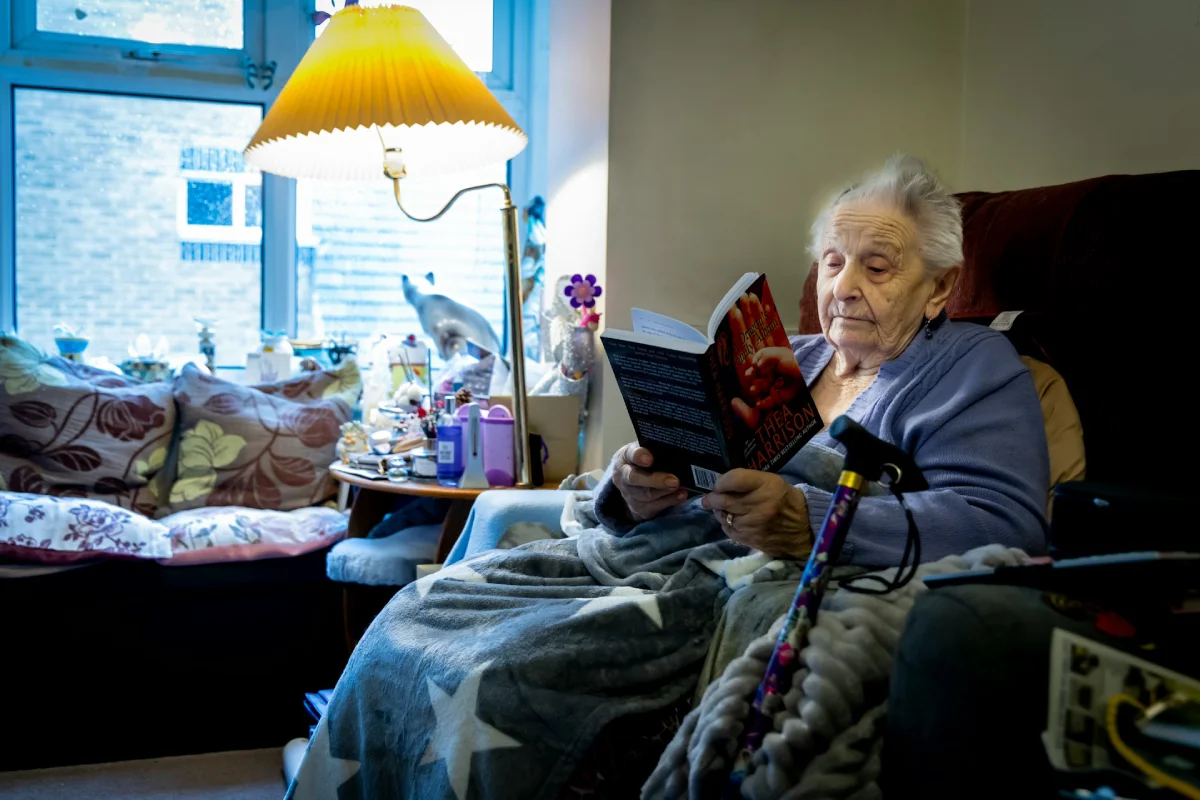
What does domiciliary care mean?
In simple terms, the domiciliary care meaning comes down to support at home. Often called home care, it’s a flexible service that lets people receive professional help without leaving their own surroundings.
It offers a practical, compassionate alternative to residential care homes, making it ideal for anyone who wants to preserve their daily routines or recover safely after an illness or hospital stay.
Practical support tailored to daily needs
Care visits can range from short drop-ins to dedicated daily calls, covering a wide variety of essential tasks:
- Personal care
- Household support
- Health management
- Companionship
Peace of mind for the whole family
Providers work directly with clients and relatives to coordinate care schedules around exact personal preferences.
Having a trusted care worker handle daily challenges brings reassurance to families, ensuring their loved ones remain safe, respected, and well-supported without having to move.
‘Choosing care shouldn’t mean giving up your independence. With the right support coming to your door, staying in familiar surroundings becomes not just possible, but deeply comforting for both the individual and their family.’ – Patricia Branson, Registered Manager, Aspire UK |
Domiciliary care vs residential care
The key difference between domiciliary care vs residential care is where the support happens.
Domiciliary care brings care workers into your loved one’s home at agreed times, while residential care means moving into a care home with staff on site around the clock.
- Setting: Your loved one stays in familiar surroundings rather than moving.
- Support: Home care is based on visits, while a care home has staff on hand at all times.
- Independence: At home, your loved one shapes their own day.
- Flexibility: Home care can grow into overnight or live-in care as needs change.
What are the benefits and who is domiciliary care for?
Home care serves a diverse range of individuals, offering valuable benefits to various groups within the community. It is an ideal solution for those seeking personalised care and assistance that celebrates the joy of home living.
The primary beneficiaries of home care include:
Seniors and the elderly
For many older adults, home care is a lifeline that allows them to maintain their independence and age gracefully in their cherished homes. It provides the support seniors need to keep doing what they enjoy while getting help with daily tasks.
Individuals with disabilities
Home care is an empowering solution for individuals living with disabilities. It offers tailored support that addresses mobility challenges, helps manage medications, and fosters an inclusive and supportive environment that promotes a sense of belonging and well-being.
Those with chronic medical conditions
Individuals managing chronic medical conditions can greatly benefit from these services. Skilled caregivers provide vital assistance with medication management, monitor health conditions, and collaborate with healthcare professionals to ensure comprehensive care.
Post-operative and recuperating individuals
After surgery or medical treatment, recovering at home with home care can expedite the healing process. Home care workers assist with wound care, mobility, and daily activities, allowing individuals to focus on recovery in a comfortable and nurturing setting.
Family members
Home care brings relief and peace of mind to family members who may be juggling the demands of caregiving with other responsibilities. With professional care at home, family caregivers can find support and respite, knowing their loved ones are in capable hands.
These services are highly adaptable, allowing providers to meet a wide range of circumstances and needs.
By tailoring care plans to each individual’s specific requirements, home care providers such as Aspire UK ensure clients receive the highest quality care in the comfort and familiarity of their homes.
Whether it’s the warm embrace of familiar surroundings or the peace of mind that comes with professional care, home care brings a wealth of benefits to individuals and their families alike.
What does a domiciliary care worker do?
Home care workers, also known as home carers, private home carers, carers at home, or simply ‘care worker’, play a pivotal role in delivering personalised care and support to individuals in need.
Their responsibilities include a wide range of tasks designed to enhance their clients’ well-being and comfort.
Some key roles and responsibilities of a home care worker include:
Personal care assistance
Home care workers help with personal care tasks such as bathing, grooming, and dressing, ensuring their clients feel clean, comfortable, and confident.
Medication management
They assist with medication administration, ensuring that clients take their prescribed medications as directed, and keeping track of dosage schedules.
Meal preparation
Home care workers prepare nutritious meals that align with their clients’ dietary requirements and preferences, promoting a healthy and balanced diet.
Mobility support
They provide support with mobility and transferring, ensuring that clients can move safely and comfortably.
Companionship
Home care workers offer companionship and emotional support, engaging in conversations, playing games, or accompanying clients on outings.
Household tasks
They assist with light housekeeping duties, such as laundry, tidying up, and maintaining a clean and organised living space.
Safety and emergency preparedness
Home care workers are trained to handle emergencies and provide immediate assistance if needed, ensuring their clients’ safety and well-being.
Monitoring and reporting
They monitor clients’ conditions and report any changes or concerns to healthcare professionals or family members, facilitating prompt interventions when necessary.
Home care workers approach their roles with empathy, compassion, and professionalism, fostering meaningful relationships with their clients and becoming trusted companions throughout the care journey.
In addition to the areas listed above, Aspire UK can provide the following services:
- Help to live at home
- Overnight and live-in care
- Holiday and respite care
- Emergency cover
- Mental health
- Dementia / Alzheimer’s
- Motor neurone disease
- Parkinson’s
- Brain injury
- Spinal cord injury
- Physical disabilities
- Learning disabilities
- Reablement
- Autism
How much does domiciliary care cost?
The cost of home care can vary depending on several factors, and you should consider each person’s unique needs and preferences.
Some key factors that can influence the cost of home care include:
Level of care required
The extent of care required, ranging from occasional visits to 24/7 home care, will influence the overall cost.
Frequency of visits
The number of visits per week or month needed to adequately meet the individual’s needs will impact the cost of care.
Location
The cost of home care may vary based on the region, as living expenses and labour rates can differ.
Specialised care
If an individual requires specialised care or support for specific medical conditions, the cost may reflect the additional expertise and training required.
While home care may involve an investment, it provides exceptional value by offering individualised care that aligns with personal preferences and needs. The peace of mind and improved quality of life experienced by both clients and their families make home care a worthwhile and meaningful investment.

Frequently asked home care questions
Is there a difference between domiciliary care and home care?
No, they mean the same thing. ‘Domiciliary’ simply means ‘relating to the home’, so both terms describe professional care delivered in a person’s own home. You may also see it called care at home or help at home care.
How is domiciliary care different from live-in care and complex care?
Domiciliary care is based on visits at set times, while live-in care involves a care worker staying in your loved one’s home, usually for a few days or a week at a time.
Complex care is for people with chronic or long-term conditions who need more specialist support, delivered by nurse-supervised teams.
What happens during a domiciliary care visit?
Your care worker arrives at the agreed time and follows your loved one’s care plan, which sets out what help they need and how they like things done.
That might include helping them wash and dress, preparing a meal, prompting medication, or simply having a chat. Before leaving, the care worker checks your loved one is comfortable and safe until the next visit.
Can domiciliary care start quickly in an emergency?
In urgent situations, such as a sudden illness or a family carer becoming unwell, Aspire UK offers emergency cover, including support when someone comes home from hospital. Call the team on 0116 262 1999 to talk through what’s needed.
Can domiciliary care be short-term?
Yes. Home care can be arranged for a set period, such as after a hospital stay or while a family carer takes a break. Aspire UK offers reablement to help people regain confidence and independence, as well as home respite care.
What happens if my loved one’s needs increase over time?
Care plans can be reviewed and changed as needs grow, from more frequent visits to night-time or round-the-clock support. Aspire UK also provides overnight care and live-in care, so support can increase without changing provider.
Can domiciliary care support someone at the end of life?
Yes. Palliative care at home lets a person stay comfortable in familiar surroundings, with support for both them and their family. Aspire UK’s complex care teams are nurse-supervised and work alongside other healthcare professionals.
What are the benefits of domiciliary care?
The biggest benefit is that your loved one can stay in their own home, keeping their routines, belongings and neighbours close by.
Care is built around them, so they get help with what they find hard and stay independent with everything else. It also gives families a break from day-to-day caring, so time together can feel less like a job.
What are the disadvantages of domiciliary care?
The main drawback is that care workers visit at set times, so your loved one spends time alone between visits. For someone who needs supervision throughout the day or night, that gap can be a worry. The cost can also rise as you add more visits.
Learn more about domiciliary care with Aspire UK
Home care is a heartfelt commitment to providing indispensable support right within the comforting embrace of one’s own home. We understand the profound significance of maintaining independence and familiarity with the cherished space we call home.
Aspire UK is dedicated to making home care accessible, ensuring every individual’s unique needs are met with compassion and professionalism. If you or your loved ones are seeking personalised care and assistance that celebrates the joy of home living, look no further.
Our team of caring professionals here at Aspire UK will help guide you every step of the way. Don’t hesitate to reach out and get your questions answered by our friendly team members.
Embrace the warmth and reassurance of home care with Aspire UK today. Your journey towards enhanced well-being and cherished independence begins here.